(Image source from: Aajkaal.in)
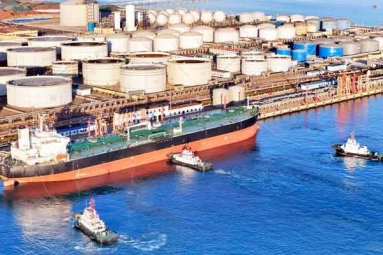
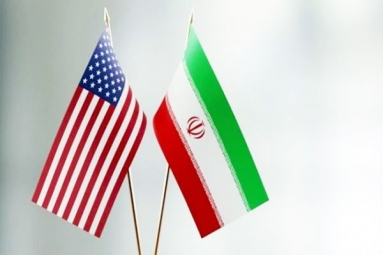
The truce between Iran and the United States has not only stopped a conflict but has also reopened the Strait of Hormuz, leading to a significant change in worldwide oil markets. For India, which imports a large amount of energy, this change might bring some relief, but it won’t happen right away or be complete. The quickest and most noticeable impact of the Strait of Hormuz reopening is seen in crude oil prices. As reported by Reuters, the price of Brent crude has dropped sharply by about 13 to 14 percent following the truce. Prices decreased to below $100 a barrel, reversing the spikes during the conflict. Markets reacted swiftly as concerns over supply disruptions faded. During the fighting, the near-closure of Hormuz had driven oil prices to crisis levels, causing panic buying and severe price fluctuations. With the strait now open, the immediate crisis has been alleviated. India is particularly sensitive to these changes because around 20 percent of the world’s oil passes through Hormuz. A considerable portion of India’s crude imports also travels through this route, since Asia, including India, is the largest consumer of oil from the Gulf.
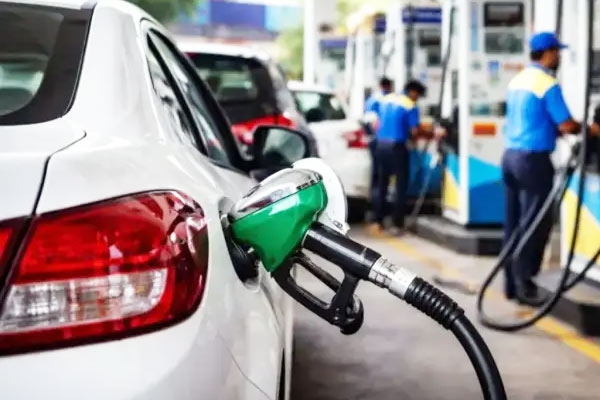
When Hormuz faced disruptions, India experienced fuel shortages and soaring prices, which forced the government to lower fuel taxes to lessen the impact. In this situation, the reopening of the strait lowers India’s risk related to supply. However, this development does not lead to an instant change in prices. Crude prices tend to drop first, followed by changes in pump prices. According to Reuters, while oil is decreasing in price, oil companies purchase crude ahead of time, and retail prices take time to adjust. Taxes and the exchange rate between the rupee and the dollar also influence this pricing system. Experts have pointed out that fuel prices might stay high for several months, even after Hormuz is fully open, as it takes time for supply chains to stabilize. Lower oil prices will not only impact gasoline and diesel but will also lower transportation costs, help reduce food inflation, and strengthen the rupee.
After the truce, Reuters noted that the Indian rupee gained strength, and market fluctuations decreased significantly. This is seen as a bigger economic benefit than simply having cheaper fuel. Even though the strait has reopened, there are still risks involved. Axios has mentioned that the supply of oil may take a while to fully bounce back, as tankers remain cautious in returning and insurance and shipping expenses are still high. Additionally, a "risk premium" is likely to stay in oil prices while tensions continue. This means prices may stabilize but not drop drastically. India’s fuel prices will now hinge on three factors: whether the truce remains in place, how smoothly shipping resumes through Hormuz, and how the global oil supply recovers in the coming weeks. Any new escalation could quickly undo the progress made. In short, India has moved out of emergency mode, but the journey to cheaper fuel will be gradual and uncertain.