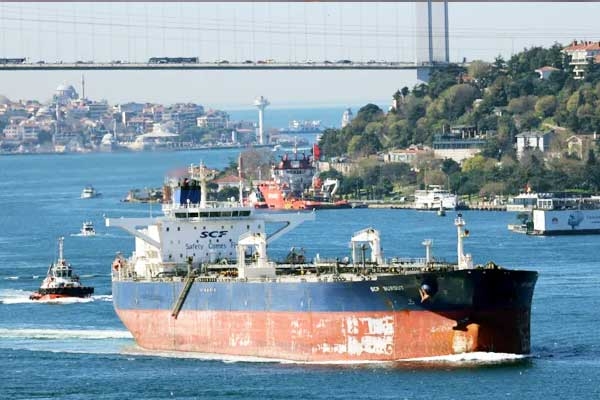
(Image source from: REUTERS)
Indians previously recognized the desert nations of West Asia mainly as the place where the oil for their vehicles originated. It was only after 2022 that Russia became linked to oil imports for India. Nonetheless, the relationship between India and Russia regarding oil might be unstable due to the US sanctions and statements made by President Donald Trump. We will not discuss whether India should reduce its imports of Russian oil. But is it really possible for India to cut back on oil imports from Russia, which has turned into one of New Delhi's largest sources of crude? Stick around and we will provide a clear answer. India and Russia have had a strategic partnership for over half a century, with relationships starting back in the Soviet times. Even though India has bought weapons and military equipment from Russia for many years, Moscow became an important supplier of crude oil for New Delhi mainly after the sanctions were imposed on Russia following the invasion of Ukraine in 2022. The amount of oil imported increased significantly, reaching more than 2 million barrels daily in mid-2025, and it was sold at greatly reduced prices from Russia. After Trump stated on Sunday that the trade agreement between India and the US had been completed, he claimed that New Delhi had promised to reduce its purchases of Russian oil. However, experts are considering if India can actually change its crude sources on such a large scale.
India relies on imports for about 88% of the crude oil it uses. Russian crude oil became a significant source for India due to lower prices after Western nations imposed sanctions on Moscow. However, data from the analytics company Kpler indicates that Russian crude imports to India began to decrease after the US set a 50% tariff, which included a 25% tariff for dealing with Russia, on almost all goods in August 2025. Indian imports of Russian oil dropped to 1.215 million barrels per day in January, down from over 2 million barrels per day in mid-2025. With the India-US trade agreement expected to be announced in the next four to five days, as per Commerce and Industry Minister Piyush Goyal, the US will reduce the tariffs on Indian products from 50% to 18%. White House Press Secretary Karoline Leavitt highlighted on Wednesday that this agreement involves India increasing its oil purchases from the US and looking into options from Venezuela, framing it as a success for American workers and a setback for Russia's funding of the war in Ukraine. "He [Modi] agreed to stop buying Russian oil and to buy much more from the United States and, potentially, Venezuela," Trump stated in his post on Sunday.
However, officials in India have not yet confirmed any specific ban on Russian oil.
In response to a question from the media regarding President Trump's statement that India would not be purchasing oil from Russia, MEA spokesperson Randhir Jaiswal mentioned on Thursday, "When it comes to India's energy security and sourcing, the government has publicly emphasized many times, including by me here, that the prime focus is to secure energy for 1.4 billion Indians. ""Our strategy revolves around diversifying energy sources in line with market conditions and changing international situations. All choices made by India are determined with this goal in mind," Jaiswal continued.
Regarding the purchase of oil from Venezuela, Jaiswal stated, "Venezuela has been a long-term ally for us in the energy sector, both in trade and investments. We were importing crude oil from Venezuela until 2019-20, but then we had to stop. We resumed importing oil from Venezuela in 2023-24, but had to halt again due to renewed sanctions. ""As you know, Indian Public Sector Units have partnered with Venezuela's National Oil Company—PDVSA—and have had a presence in the country since 2008. In line with our commitment to energy security, India is open to evaluating any crude supply options, including those from Venezuela," he added.
Meanwhile, Kremlin spokesperson Dmitry Peskov mentioned earlier this week that Moscow had no details regarding India reducing its imports of Russian crude oil. However, the Kremlin spokesperson also stated on Wednesday, "We, along with all other international energy experts, know that Russia is not the only vendor of oil and petroleum products to India. India has always sourced these products from multiple countries. Therefore, we do not see anything new here. " Strategically diversifying India's crude imports is sensible as it enhances energy security and minimizes vulnerability to geopolitical issues. Over the last two years, India has increased its supplier list from around 27 to more than 40 countries, adding oil supplies from the US, Brazil, Guyana, and West African nations. This approach decreases India's dependency on a few sources. As India's economy continues to grow, its energy demands are also increasing, but current oil prices and sanctions against oil-exporting countries are quite unpredictable in today's geopolitical environment.
While American shale oil is lighter and can work well in Indian refineries if mixed correctly, the US does not have enough capacity to completely make up for the large amounts that Russia used to provide. It is important to remember that prior to the start of the Russia-Ukraine conflict in 2022, India mainly imported crude oil from Middle Eastern nations, particularly Saudi Arabia, Iraq, and the UAE. After Russian crude became heavily discounted following the invasion of Ukraine, India took advantage of the situation, increased its imports, processed the oil in its refineries, and sent a significant amount of petroleum products to Europe. Now, if India purchases more oil from the US, it could help lessen the trade deficit, but the current situation is complicated, as the Trump administration is pushing India to acquire Venezuelan oil, which is under US control. However, it's unclear how long and to what extent the US will maintain this control.
Experts believe that completely moving away from Russian oil is unrealistic and could be financially challenging. Russian Urals crude, which is heavier and contains more sulfur, is compatible with Indian refineries designed for such types of oil, offering cost benefits that alternatives from the US or Venezuela may not provide without higher processing costs. Igor Yushkov, an analyst from Russia's National Energy Security Fund, noted, "US shale exports are mostly lighter oils, while Russia provides heavier, sulfur-rich Urals crude that Indian refineries prefer. India would need to mix US oil with other types, which increases expenses. A straightforward replacement isn't feasible. " Likewise, Wisdom & Boats, a consultancy that focuses on shipping and oil markets, discussed the logistical challenges. "If India completely stops importing from Russia, they will need to replace about 1.7 million barrels per day of crude oil that they received from Russia. . . It looks like India will probably buy Venezuelan crude (over 150,000 barrels per day), so this will not affect US oil exports. "
The analyst also mentioned that China might purchase the Russian oil that will no longer be sent to India, which would allow Moscow to continue selling it. This does not support the US's narrative that India’s purchase of Russian crude helps fund the war in Ukraine. Furthermore, China would likely employ "shadow fleet" tankers, which are older, unregulated vessels that evade Western sanctions, making the global oil shipping situation more complex and unpredictable. Meanwhile, there are reports that Russian oil exports to India have shifted to lesser-known traders that have rarely supplied oil in the past. Media sources indicate that traders connected to the UAE, like Redwood Global Supply and Vistula Delta, have quietly maintained Russian supplies in spite of US pressure.
In terms of relationships, changes are not expected to seriously impact India-Russia connections. Moscow seems to understand the difficult situations New Delhi is dealing with from Washington, which are challenges the Kremlin has faced for a long time. The partnership between India and Russia covers various areas such as defense, fertilizers, and energy investments. A slow decrease in Russian oil imports may indicate efforts to improve relations with the US. However, sudden reductions could lead to a significant rise in oil prices in India due to previously mentioned reasons. While it is possible to stop importing all Russian oil, it doesn’t appear easy to do commercially, considering the large amounts of Russian oil and its cost and quality aspects. India's approach has always been careful, particularly with both the US and Russia, and will likely include thoughtful changes. India will surely continue to prioritize the energy needs of its 1.4 billion citizens.